Tally Bookkeeping is one the most searched accounting topics in India because Tally is widely used by small business, trades, and service providers. Proper bookkeeping in Tally helps business maintain accurate financials records, stay GST compliant, and make better financial decisions. This educational article examples what Tally bookkeeping is, how it works, and how to do it correctly, especially for beginners.
What Is Tally Bookkeeping?
Tally bookkeeping is the process of recording, organizing, and maintaining business transactions using Tally Accounting software. It includes recording sales, purchase, expenses, income, bank transactions, and GST-related entries in a systematic manner.
This Main Objective of Tally bookkeeping is to:
- Keep accurate financial records
- Track income and expenses
- Ensure GST compliance
- Prepare financial reports like Profit & Loss and Balance Sheet
Why Tally Bookkeeping Is Important for Businesses
Accurate bookkeeping is the backbone of any successful. When bookkeeping is done properly in Tally, businesses gain complete control over their financial.
Key Benefits of Tally Bookkeeping
- Maintains organized accounting records
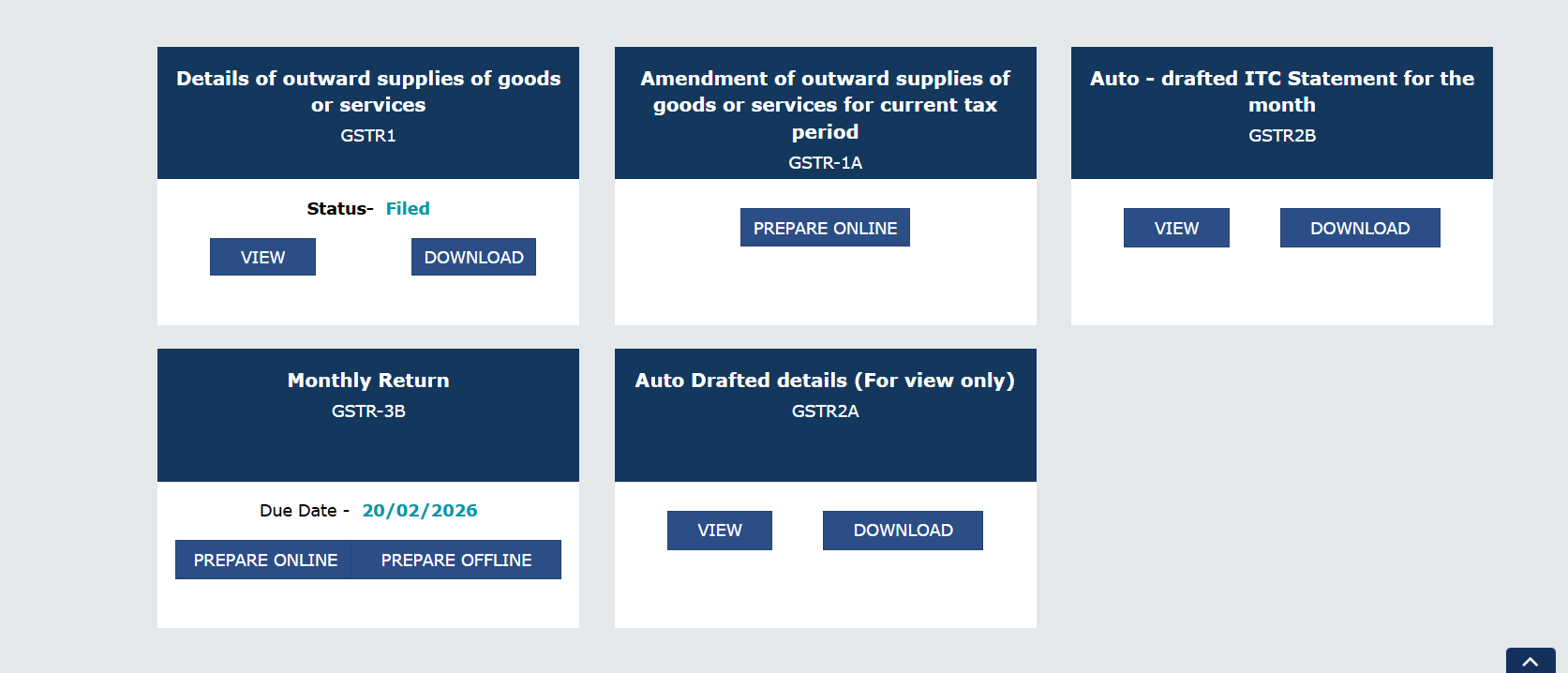
- Helps in GST return filing
- Reduces errors and mismatches
- Save time and manual efforts
- Supports audits and financial reviews
- Improves decision-making
For small businesses, Tally bookkeeping is especially important because it simplifies complex accounting tasks.
Basic Requirements to Start Bookkeeping in Tally
Before starting Tally bookkeeping, you need a few basic things:
- Installed Tally Software (Tally Prime or Tally ERP)
- Basic accounting knowledge
- Businesses documents (invoices, bills, bank Statements)
- GST details (if Registered)
Once these are read, you can begin bookkeeping activities in Tally.
Step-by-Step Process of Tally Bookkeeping
1. Company Creation in Tally
The first step is to create a company in Tally by entering:
- Business name
- Address
- Financial year
- GST Details
Correct company setup is essential for accurate bookkeeping.
2. Ledger Creation in Tally
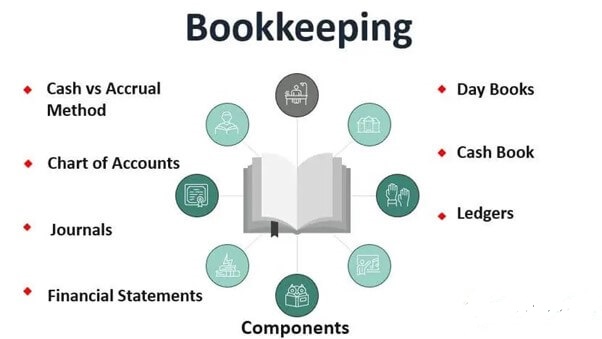
Ledger are the foundation of bookkeeping. Common ledgers include:
- Cash Account
- Bank Account
- Sales Account
- Purchase Account
- Expense Accounts
- Customer and Supplier Accounts
Proper ledger grouping ensures correction reporting.
3. Recording Daily Transactions
Daily bookkeeping involves entering:
- Sales invoices
- Purchase bills
- Expense payments
- Receipts
- Bank transactions
All entries should be made regularly to avoid backlogs and errors.
4. GST Bookkeeping in Tally
GST bookkeeping is a crucial part of Tally accounting in India.
It includes:
- GST sales entries
- GST purchase entries
- Input Tax Credit (ITC) tracking
- GST output tax calculation
Correct GST configuration in Tally ensures accurate GST returns.
5. Bank Reconciliation
Bank Reconciliation helps match Tally records with bank statements. This step:
- Identifies mismateches
- Detects missing enteries
- Ensures correct bank balance
It should be done monthly for accuracy.
6. Generating Reports
Tally provides real-time reports such as:
- Trial Balance
- Profit & Loss Statements
- Balance Sheet
- GST Reports
These reports help business owners understand financial performance.
Common Tally Bookkeeping Mistakes and Solutions
Mistake 1: Incorrect Ledger Grouping
Wrong ledger grouping leads to incorrect financial statements.
Solution: Always select the correct group while creating ledgers.
Mistake 2: Skipping Daily Entries
Delaying entries creates confusion and errors
Solution: Regularly reconcile GST data with GSTR-2B