
GSTR-3B Filing Guide for February 2026 – Error-Free Compliance
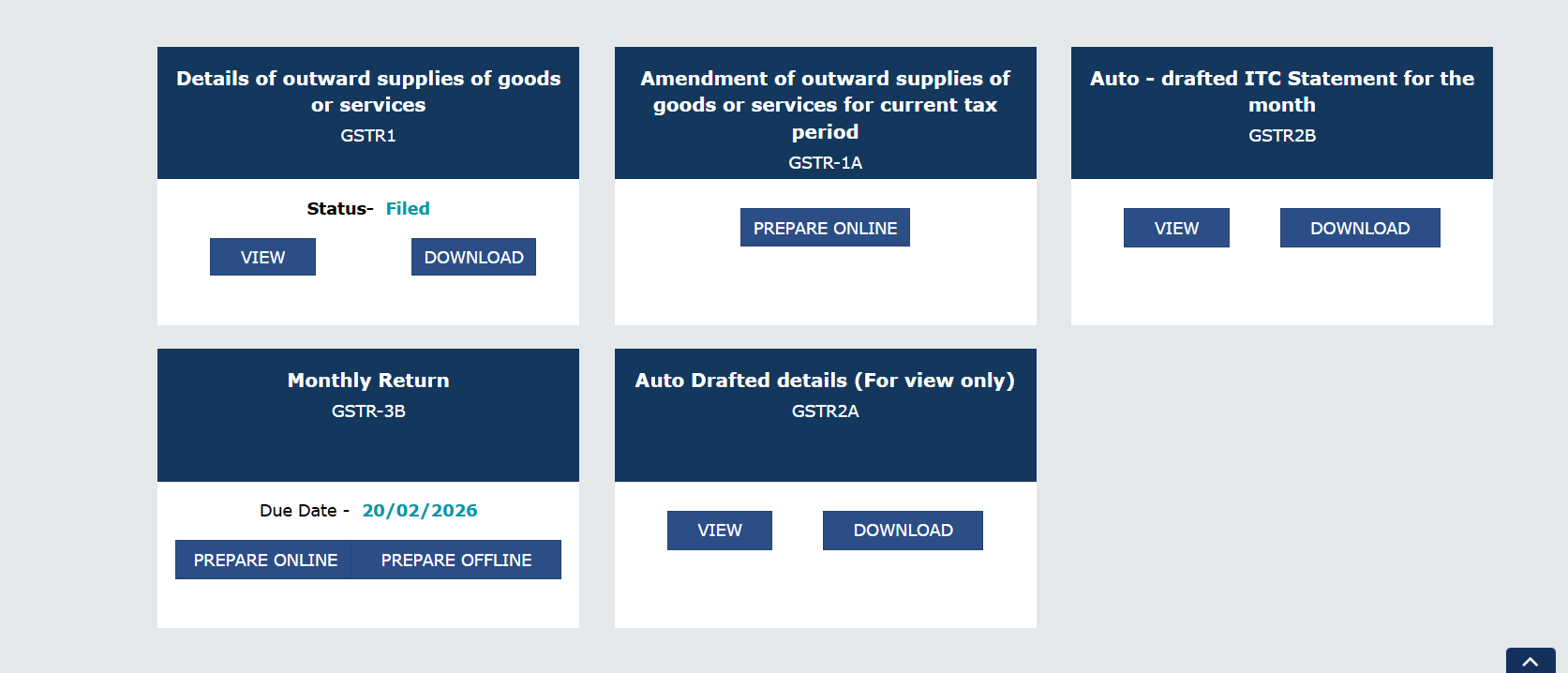
GSTR-3B February 2026 – Ultimate Guide to Avoid Costly Errors
This Guide is written entirely from practical experience – the way i Personally handle GST compliance for clients every month. If you are preparing to file GSTR-3B for February 2026, Following this structured approach to avoid interest, penalties, and departmental nootices.
After years of handling GST Compliance for traders, services providers, manufacturers, and e-commerce sellers, I have seen that most mistakes happen because of:
- ITC mismatches
- Wrong tax liability reporting
- Ignoring interest calculation
Let’s go step by step ensure your February 2026 return is filled correctly the first time.
Understanding GSTR-3B & Due Date – February 2026
GSTR-3B Filing Guide for February 2026 – Error-Free Compliance
GSTR-3B is a monthly summary return filled through the Goods and Services Tax Network on the Official GST Portal
Due Date for February 2026:
- Regular Taxpayers – 20 March 2026
- QRMP Scheme – 22nd or 24th March2026 (depending on state category)
Professional Advice: Do not wait until the last date: Server slowdowns and payments failures are very common.
Pre- Filing 7-Point Reconciliation Checklist
Before filing any return, I ensure these checks are completed:
1. Sale Reconciliation
- Verify total February turnover as per books.
- Cross-check with GSTR-1.
- Adjust credit note properly.
If GST-1 and books mismatch, correct it before filing GSTR-3B
2. GSTR-2B vs Purchase Register Matching
Download February 2026 GSTR-2B.
Download February 2026 GSTR-2B.
- Match all purchase invoices.
- Identify missing ITC.
- Follow up with vendors where required
Best practice: Claim ITC only if reflected in 2B (Excepted RCM cases).
3. Reverse Charge (RCM) Review
Commonly missed liabilities
- Advocate Fees
- GTA services
- Security services
- Other notified categories
Ensure tax payment under RCM before claiming corresponding ITC.
4. E-Way Bill Cross Verification
For goods-based businesses, turnover must align with E-Way Bill date.
Mismatch increase scrutiny risk.
5. Previous Month Error Review
Check January 2026 fro:
- Short payment
- Excess ITC
- Reporting mistakes
Rectify adjustment properly in february.
6. Interest Calulation
Under GST provision
- 18% per annum for normal delay
- 24% for excess ITC utilization
Interest should not be ignored – the system tracks it.
7. Electronic Cash Ledger Check
Ensure sufficient balance before offsetting tax liability.
Table – Wise Practical Guide to filling GSTR-3B
Table 3.1 – Outward Supplies
This Section determines your tax liability:
- 3.1 (a) Taxable outward Supplies
- 3.1 (b) Zero-rated supplies
- 3.1 (c) Nill and exempt supplies
- 3.1 (d) Inward supplies under RCM
Verver mix exempt turnover with taxable turnover
Table 4 – Eligible ITC
Most scrutinized section
- 4(A)(5) – Regular ITC
- 4(B) – ITC Reversal
- 4(C) – Net ITC
Common ITC reversal include:
- Personal use
- Blocked credit Categories
- Non-payment within 180 days
Table 6 – Tax Payment
Understanding credit utilization order carefully:
IGST credit → IGST → CGST → SGST
Incorrect utilization can create technical non-compliance.
February 2026 Compliance Focus Areas
Recent compliance trend show:
- Increased automated matching of ITC
- Faster system-generated notices
- Higher scrutiny of sudden ITC spikes
If ITC usually high compared toto turnover, re-verify carefully.
Top 1o Mistakes to Avoid
- Incorrect taxable value
- Claiming ITC not reflected in 2B
- Forgetting RCM liability
- Ignoring interest
- Wrong Credit set-off
- No reconcilation
- Not reviewing previous month error
- Filling Without Management/client confirmation
- Incorrect export repoting
- Habitual late filing
Avoid these, and most compliance risks reduce significantly
My Structured Filing Process
Every month, we follow this internal structure:
- Finalize books by 15th
- Complete reconciliation by 17th
- Prepare draft working
- Obtain client confirmetion
- Download Preview
- Offset and Submit
Remember: GSTR-3B cannot be revised after filing.
Documentation to Maintain
Keep proper record:
- Sale Register
- Purchase Register
- GSTR-2B Copy
- ITC Working
- Interest Calculation
- Client Confirmation
Proper documentation protects you scrutiny or audit.
Practical Professional Advice
- Never rush filing without reconciliation.
- Always re-verify high-value invoices.
- Maintain consistent working format each Month.
- Plan tax Payment in Advance to avoid liquidity pressure.
GST compliance is not about date entry – it is about disciplined review and structured process control.
Can ITC be claimed if not in 2B?
Practically risk. Vendor follow-up is advised.
What is late Fees?
₹50 per date (₹20 per day for nil return)
What is excess ITC was claimed?
Reverse in next month’s Table 4(B) and pay applicable interest.

One thought on “GSTR-3B February 2026 – Ultimate Guide to Avoid Costly Errors”