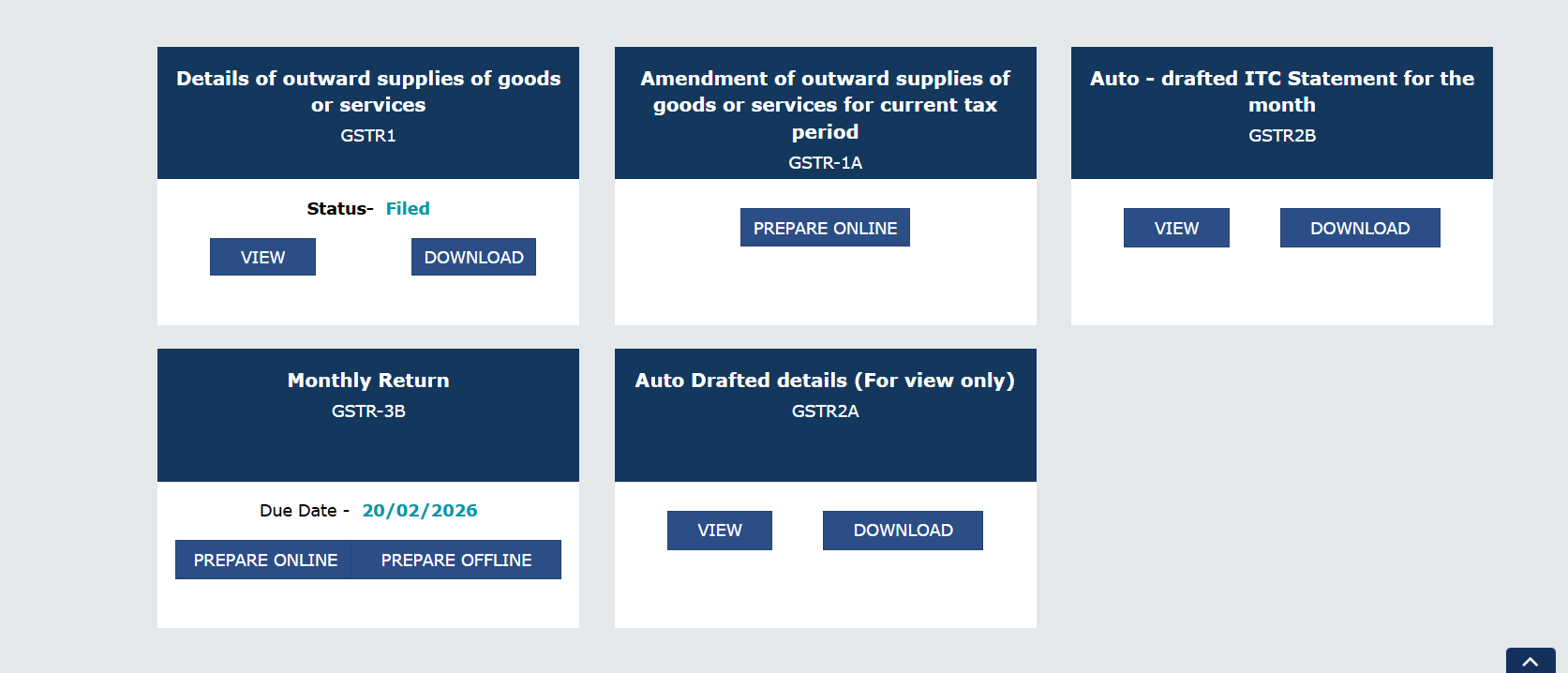

Why GST Registration Is Important for New Businesses
If you are starting a business in India-whether online, offline, or as a freelancer-GST registration is one of the first legal steps you should understand. Many new entrepreneurs delay GST registration due to confusion, myths, or fear of compliance, In reality, the GST Registration Process in India is much simpler when explaining in a practical way.

Google Discover prefers content that is helpful, fresh, and user-focused, not overly technical. This guide explains GST registration in simple language, especially for new businesses, startup, and professionals.
What is GST Registration?
GST registration is the process by which a business gets registered under the Goods and Services Tax law and receive a GST Identification Number (GSTIN). This GSTIN allows the business to collect tax, file returns, and claim input tax credit legally.
If your business crosses the prescribed turnover limit or falls under mandatory categories, GST registration becomes compulsory.
Who Should Apply for GST Registration?
You should apply for GST registration if:
- Your annual turnover exceeds ₹40 Lakh (₹20 lakh for service providers)
- You sell products or services online (Amazon, Flipkart, Meesho, etc.)
- You provide inter-state Services
- You are a freelancer or consultant working with client across states.
- You start a new business and want better credibility
Even small businesses below the limit can opt for voluntary GST registration.
Document Needed for GST Registration
Keep these documents ready before applying online:
Personal Documents
- PAN Card of applicant or business
- Aadhaar Card
- Mobile number and Email ID
Business Documents
- Address proof (Electricity bill / Rent agreement)
- Business registration proof
- Passport-size photograph
Bank Details
- Cancelled cheque
- Bank statement or passbook
Having correct document helps avoid delayed and rejection.
GST Registration Process Step-by-Step (Online)
The entire GST registration process is online. Here is a simplified explained:
Step 1: Start Registration on GST Portal
Go to the GST portal and select New Registration under the services section.
Step 2: Basic Details & OTP Verification
Enter PAN, mobile number, and email ID. Verification them using OTP
Step 3: Get Temporary Reference Number (TRN)
After verification, you will receive a TRN, Which allow you to continue the application later.
Step 4: Fill Business Information
Using TRN, log in and provide:
- Business name and type
- Address details
- Bank account information
Upload scanned documents.
Step 5: Submit Application
Verify the application using Aadhaar authentication or Electronic Verification Code (EVC)
Step 6: GSTIN Allotment
Once approved, your GSTIN is issued within 7-10 working days.
How Much Does GST Registration Cost?
- Government fee: ₹0 (Free)
- Professional assistance (optional): ₹500-₹2,000
Applying directly on the portal does not cost anything
Common Mistakes New Businesses Should Avoid
- Entering incorrect PAN or Aadhaar details
- Uploading unclear documents
- choosing the wrong business category
- Ignoring clarification emails from GST department
- Avoiding these mistakes increases approval chances.
Benefit of GST Registration for Startup & Freelancers
- Legal business identity
- Improved trust with clients
- ability to claim input tax credit
- Easy expansion and compliance
- Suitable for online service-based businesses
Frequently Asked Questions
Is GST Registration Mandatory for Freelancer?
Yes, if turnover exceeds the limit or services are inter-state
How long does GST registration take?
Usually 7-10 working days if documents are correct
Can I Cancel GST Later?
Yes, GST registration can be cancelled if business is closed.
Final Thoughts

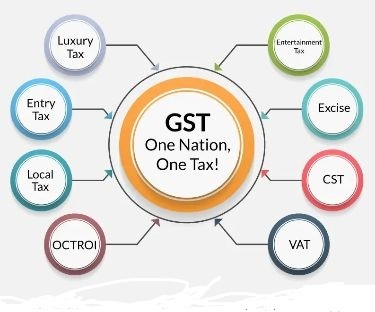
Focus GST Registration Target
Focus GST Regisrtration
48” x 48” Giclee print on archival paper.
The GST Registration Process in India is not complicated if you understand it clearly. For new businesses, startups, and freelancers, early GST registration helps build credibility and avoid future legal issues. Instead of fearing GST, treat it as a step toward structured business growth.
If you are planning to start a business in 2026, learning GST registration now will save time and trouble later.
GST Registration Process in India – Quick Overview Table
“Below is a simplified table explaining the GST Registration Process step-by-step for new businesses in India.”
| Step No. | Process Stage | What You Needed to Do | Important Notes |